Apex Deck Builders Austin: Professional Outdoor Living Specialists for Backyards
Green Decking Alternatives: Earth-Friendly Materials for Your Next Project
Sustainable decking alternatives are becoming increasingly sought after by homeowners in search of eco-conscious choices. These options, which include reclaimed wood, bamboo, and composite materials, deliver both resilience and attractive design. Understanding their environmental impact is essential. Factors such as sourcing practices and long-term cost-effectiveness play a significant role in decision-making. When homeowners evaluate these possibilities, they frequently ask themselves which choice most accurately reflects their principles and expectations. The answers could reshape their outdoor spaces.
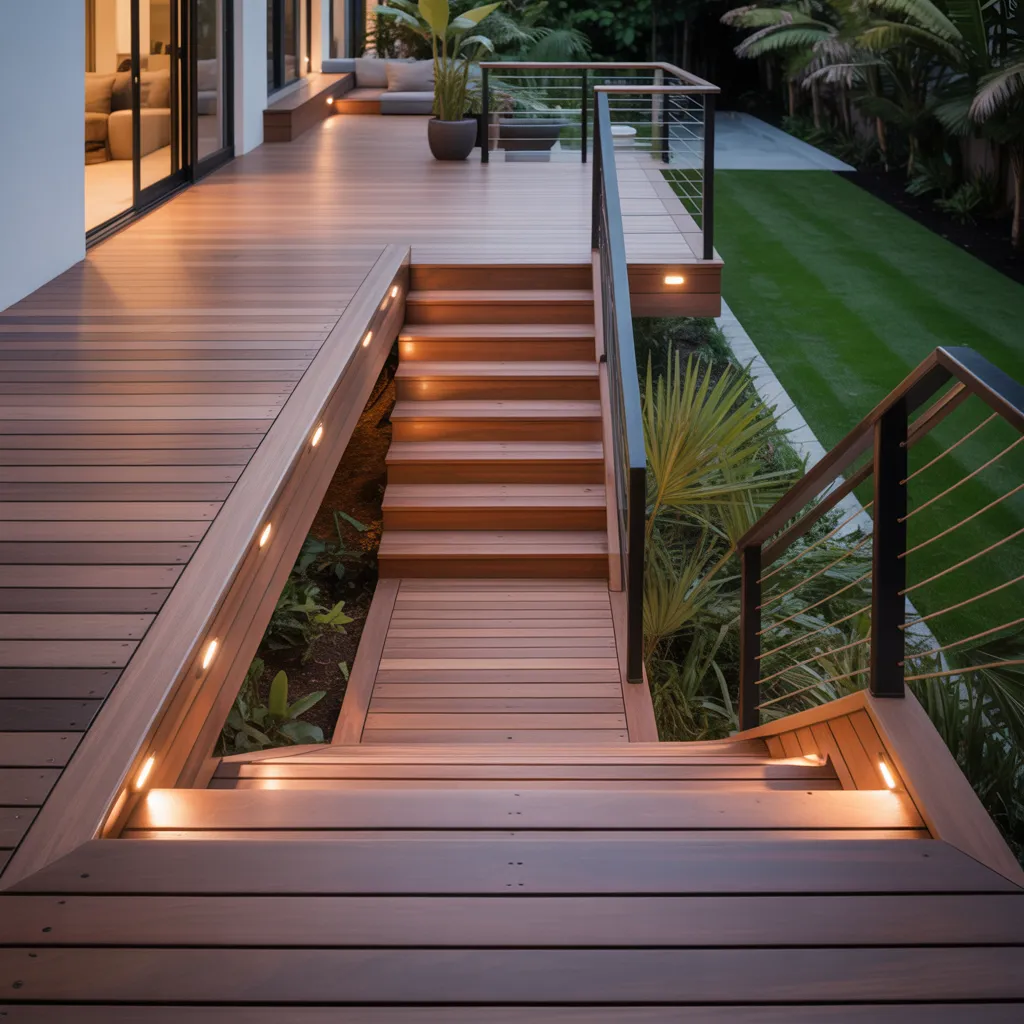
What You Need to Know About Eco-Friendly Decking Materials
What key considerations should homeowners evaluate when picking sustainable decking materials? To begin with, sustainability is of utmost importance; materials derived from renewable origins, including bamboo or reclaimed wood, greatly minimize environmental damage. Furthermore, durability serves a critical purpose; materials with extended lifespans decrease replacement needs, ultimately saving resources over time. Moreover, homeowners should assess the full life cycle of the material, encompassing production, transportation, and disposal, as these factors can impact its overall environmental performance. The risk of chemical emissions, including volatile organic compounds (VOCs), is also worth noting, as materials with minimal emissions help promote healthier indoor air quality. Moreover, aesthetic appeal and maintenance requirements should not be overlooked, as these factors can affect long-term satisfaction with the decking. Ultimately, affordability is a crucial aspect; even though eco-conscious choices may involve larger initial investments, their lasting performance and minimal upkeep can generate significant savings over time.
Reclaimed Wood vs. Composite Decking: A Comprehensive Comparison
The comparison between reclaimed wood and composite decking raises important considerations related to environmental effects, longevity, and pricing. Both materials offer distinct advantages and disadvantages that may affect purchasing decisions. Evaluating these elements is critical for reaching a well-informed choice in sustainable decking options.
Environmental Impact Analysis
Even though reclaimed wood and composite decking both present notable benefits, their environmental impacts differ markedly. Reclaimed wood is sourced from old structures, minimizing the need for new timber harvesting and lowering deforestation. Its use supports the conservation of natural resources while encouraging recycling. However, its supply may be restricted and could result in transportation emissions.
In contrast, composite decking is produced using a mixture of recycled plastics and wood fibers. Even though it redirects waste away from landfills, the manufacturing process tends to be energy-intensive and may involve harmful chemicals. Furthermore, composite materials frequently have a longer lifespan, causing less frequent replacements. In the end, the choice between reclaimed wood and composite decking depends on finding a balance between sustainability and practicality, considering factors such as resource sourcing and environmental footprint.
Resilience And Long-Term Performance
When considering lasting quality and resilience, composite decking and reclaimed wood come with their own strengths and limitations. Reclaimed wood, typically salvaged from aged structures and historic buildings, provides a distinctive visual appeal and solid structural quality. That said, without proper treatment, it can be vulnerable to warping, splintering, and pest infestations. On the other hand, composite decking is manufactured for long-lasting performance, standing up to fading, moisture, and pest damage. Its material composition allows for a lower maintenance requirement over time. Although reclaimed wood is capable of lasting for many decades when well-maintained, composite decking products commonly come with warranties spanning 20 to 30 years. At the end of the day, the decision copyrights on whether natural character or long-term performance is the greater priority, since both materials provide unique benefits that align with different construction goals.
Cost Comparison Insights
Evaluating the pricing considerations of reclaimed wood and composite decking uncovers notable distinctions that can influence project decisions. Reclaimed wood typically offers a lower initial cost, especially if sourced locally, but may result in increased maintenance spending over time due to its tendency toward weathering and pests. Conversely, composite decking usually has a greater initial investment, reflecting its advanced manufacturing process and extended lifespan. However, its low upkeep demands can result in decreased overall spending. Homeowners must also consider likely appreciation factors; reclaimed wood often attracts buyers seeking authenticity, while composite materials provide contemporary visual appeal. In the end, the decision between the two options rests upon financial planning and future expectations for maintenance and appearance.
Innovative Decking Alternatives: Why Choose Bamboo?
Bamboo has emerged as a compelling alternative for decking due to its quick cultivation and environmental benefits. Recognized for its exceptional durability and robustness, bamboo delivers both visual attractiveness and lasting reliability. As more homeowners pursue environmentally responsible choices, bamboo's unique properties make it a remarkable option in decking materials.
Accelerated Growth Benefits
As the need for eco-friendly construction materials grows, bamboo emerges as a compelling choice due to its impressive growth rate. This grass species can achieve full maturity in just three to five years, notably faster than traditional hardwoods, which may need many decades to mature. Such swift renewal reduces the ecological footprint associated with deforestation and enables more responsible harvesting methods. Bamboo's exceptional rate of growth also means that large quantities can be cultivated in a comparatively brief period, offering a replenishable supply that meets the rising consumer demand. Additionally, its capacity to flourish across various climates and adapt to various soil conditions strengthens its attractiveness as a flexible and environmentally conscious choice for decking projects, supporting greener building solutions.
Resilience And Robustness
As conventional see here decking materials frequently struggle under environmental pressure, groundbreaking alternatives such as bamboo demonstrate remarkable durability and resilience. Bamboo, being a grass species rather than a timber, possesses a tensile strength that rivals steel, rendering it extraordinarily resistant to wear and tear. Its natural properties allow it to resist moisture, mold, and pests, minimizing the reliance on chemical treatments. This resilience makes bamboo an ideal choice for outdoor applications where exposure to the elements is inevitable. In addition, bamboo's rapid growth cycle guarantees a sustainable supply, contributing to its eco-friendliness. With proper care and maintenance, bamboo decking can last for decades, offering homeowners a long-lasting and attractive solution that meets both aesthetic and environmental needs.
Vital Maintenance Tips to Preserve Your Eco-Friendly Decking
Keeping eco-friendly decking surfaces is essential for securing its longevity and aesthetic appeal. Routine cleaning is a key factor; applying a gentle soap and water mixture will successfully eliminate grime and buildup without damaging the surface. Furthermore, you should look for indications of mold or mildew, which can be common in moisture-prone areas.
Applying a sealant to the decking every few years can help shield it from moisture and UV damage, keeping its natural aesthetic intact. Furthermore, adequate ventilation is essential; making sure the decking receives sufficient airflow can help avoid warping and deterioration.
Periodic inspections for loose boards or nails are also essential, as they can create potential hazards. Finally, homeowners should avoid using harsh chemicals or pressure washing, as these practices can deteriorate the material with prolonged use. By adhering to these maintenance guidelines, eco-friendly decking can remain a stunning and sustainable addition to any outdoor space.
How to Select the Best Eco-Friendly Decking for Your Area?
Choosing the right eco-friendly deck material requires careful consideration of several elements that align with one's aesthetic preferences and sustainability goals. To begin, one should evaluate the material options, such as recycled lumber, bamboo planking, or composite options made from recycled plastics. Every option provides distinct benefits concerning long-term performance, care requirements, and visual appeal.
Next, climate and location play significant roles. Various materials tend to excel in certain climatic environments, affecting both durability and safety. Moreover, evaluating the ecological effects of material sourcing and production is vital; credentials such as FSC or LEED serve as indicators of sustainable practices.
Cost considerations also play a significant role, as sustainable choices can differ considerably in price. Ultimately, the desired function of the location should determine design and functionality, making certain that the selected decking satisfies both functional and visual requirements. By carefully weighing these factors, individuals can arrive at a knowledgeable choice that balances style and sustainability.
Value of Sustainable Decking Solutions
Eco-friendly decking options provide many benefits that go beyond aesthetic appeal. These innovative materials , often composed of environmentally conscious or reclaimed resources , significantly minimize environmental impact. When selecting eco-friendly alternatives , property owners support preserving natural forests and habitats , encouraging ecological diversity.
Furthermore, environmentally conscious decking typically boasts improved durability and protection against weather damage, leading to reduced upkeep expenses in the long run. Most environmentally friendly materials are built to resist challenging environmental conditions without the need for harmful chemicals, providing a healthier option for families and the ecosystem alike.
Additionally, the adoption of sustainable decking can increase property value, as a growing number of buyers seek out eco-conscious features in their homes. With a array of styles and finishes available, these solutions can meet diverse design preferences while contributing to a greener future. In the end, opting for sustainable decking aligns personal aesthetics with a commitment to environmental conservation, creating a harmonious balance between beauty and sustainability.
Answers to Your Most Common Questions
How Can Eco-Friendly Decking Influence Your Home Resale Value?
Sustainable decking can beneficially affect residential resale value, as more buyers are prioritizing sustainable features. Such appeal may generate higher offers and quicker sales, highlighting a rising market trend towards sustainable living decisions.
Can Eco-Friendly Decking Withstand Harsh Weather Conditions?
Sustainable decking materials are capable of withstanding challenging climatic conditions, depending on the materials selected. Certain composites and treated woods are built to provide long-lasting performance, combating dampness, UV damage, and shifting temperatures, ensuring longevity in various climates.
How Do the Costs of Eco-Friendly and Traditional Decking Compare?
Cost differences between traditional and eco-friendly decking options vary considerably. Eco-friendly options typically come with elevated initial price points due to the use of sustainable resources, but long-term savings on maintenance and durability can help balance these initial expenses for homeowners.
Are There Any Certifications for Sustainable Decking Materials?
Several certifications are available for environmentally responsible decking materials, including the Forest Stewardship Council (FSC), the Green Seal certification, and the Cradle to Cradle certification. These credentials confirm that products adhere to environmental guidelines and support ethical sourcing and manufacturing processes.
What Are the Best Ways to Sustainably Recycle Old Decking Materials?
To recycle old decking materials sustainably, individuals can contact local recycling centers or construction waste facilities. Furthermore, repurposing them for landscaping, garden beds, or furniture can extend their lifespan while reducing landfill waste.